
- July 23, 2026
- Posted by: Rishabh Agrawal
- Categories: HSN code, Blog
Key Takeaways
- Correct HSN codes ensure accurate GST calculation and compliant invoicing.
- Most cosmetics and personal care products attract 18% GST under relevant HSN codes.
- Product composition and intended use determine the correct HSN classification.
- Using incorrect HSN codes can result in tax errors, penalties, and compliance issues.
- Regularly verify GST notifications and tariff schedules to stay compliant.
The proper classification of products is vital for any cosmetic and personal care product, whether manufacturing, importing, distributing, or selling products in India. Properly identifying the correct HSN Code will ensure accurate invoices and help with the smooth implementation of the GST guidelines. It also assists businesses in avoiding classification mistakes that might contribute to unnecessary disputes or penalties.
It is also crucial to know which rate of GST to apply to pricing products, determining the tax liability and keeping a compliant business record. Different cosmetics and personal care products can be classified differently, which is why businesses need to be aware of HSN codes as well as the GST rates before issuing an invoice or submitting GST returns.
What is an HSN Code?
A Harmonized System of Nomenclature Code is a classification system of products that is recognized internationally for tax and trade purposes. The Goods and Services Tax system in India mandates the use of HSN codes to ensure proper classification of goods and services, applicable tax calculation, and uniformity in invoicing and compliance.
What Is the GST Rate?
GST rate is the percentage of the Goods and Services Tax applicable to a product or service in India’s GST regime. The accurate choice of HSN Code is crucial in order to calculate the right tax amount and ensure compliance with the regulations, depending upon the classification of the product.
Why HSN Codes Matter for Cosmetics and Personal Care Products
The choice of the right HSN Code is not just about compliance with regulations. Correct classification facilitates correct taxation and documentation, and compliance risks are minimized throughout the supply chain.
- Ensures Accurate GST Classification
Each cosmetic and personal care product needs to be correctly classified to ensure the correct GST classification. Correct codes allow businesses to accurately calculate taxes and avoid discrepancies when it comes to GST assessment or audits.
- Simplifies GST Return Filing
Proper classification of products simplifies GST return filing as it keeps the invoices and tax records consistent. Correct records also help minimize the chances of reporting mistakes when filing taxes on a periodic basis.
- Supports Accurate Business Invoicing
The proper HSN code should be incorporated in a valid GST invoice. Accurate invoicing enhances transparency and helps customers claim eligible input tax credits where applicable.
- Reduces Compliance Risks
The tax calculation, delayed assessment or regulatory notice may be the result of incorrect product classification. By ensuring that the codes in the HSN are accurate, businesses can save themselves from the financial and administrative hassles of poor tax compliance.
Cosmetics and Personal Care HSN Codes and GST Rates at a Glance
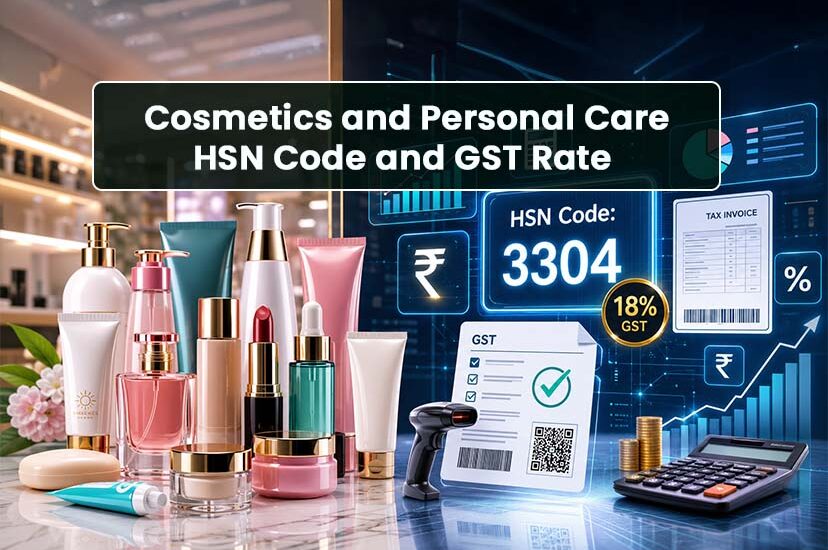
| Product Category | Example Products | HSN Code | GST Rate* |
| Skincare Products | Face creams, lotions, moisturisers | 3304 | 18% |
| Hair Care Products | Shampoo, hair oil, conditioner | 3305 | 18% |
| Perfumes and Deodorants | Perfumes, body sprays | 3303 | 18% |
| Beauty and Makeup Products | Lipstick, foundation, compact powder | 3304 | 18% |
| Oral Care Products | Toothpaste, mouthwash | 3306 | 18% |
| Soaps and Cleansing Products | Bath soaps, cleansing bars | 3401 | 18% |
* HSN codes and GST rates could change depending on product composition, ingredients, purpose, and the latest notifications of GST. Businesses need to check the relevant classification before invoicing or returning GST.
How to Identify the Correct HSN Code for Cosmetic Products
A structured approach improves businesses’ chances of avoiding mistakes and keeping track of tax compliance records.
- Understand the Product Composition
Product classification is determined by the ingredient, formulation, and intended use of a product. For instance, two skincare products might have comparable functions or objectives, but have different classifications due to variations in their ingredients or applications.
- Refer to the GST Tariff Schedule
The GST tariff offers classifications of products and tax rates. It is important to check the latest tariff schedules, which assist businesses in identifying the correct HSN code while remaining compliant with current GST rules.
- Compare Similar Product Categories
If a business is classifying a new product, it can refer to other products that are similar and already covered by the GST. But always consider the nature of the product rather than similar descriptions for the final customs classification.
Common Mistakes Businesses Make While Selecting HSN Codes
- Businesses sometimes assign the same code to products that appear similar, but do not consider the difference in ingredients used or the intended use of the product. An HSN Code and the treatment of the tax under the Goods and Services Tax vary even with slight changes.
- The composition of a product can sometimes determine its classification. Failure to monitor product specifications could result in miscalculating the GST and discrepancies in the tax assessment.
- GST notifications and product classification are subject to change. Failing to use the outdated references can lead to wrong tax rates and additional hassles in GST return filing.
- Choosing the wrong rate is a potential for underpayment or overpayment of taxes. It is always important to check that the charged rate is correct for the final product classification before sending the invoice.
Accurate Product Classification Supports Better Business Compliance
Correct product classification is crucial for businesses involved in international trade. The right HS code classification is important for ensuring that all shipments are subject to the proper customs duties and regulations. Misclassification can lead to customs delays, extra duty charges, financial penalties or non-compliance problems, which can negatively impact the supply chain. Regularly checking product specifications and ensuring accurate tariff coding before dispatching products can help businesses reduce risks and enhance customs compliance. A proactive product classification effort can facilitate smoother cross-border trade, and also help in more efficient cost planning, and increase import or export efficiency, even though it is not required under WTO rules.
How Credlix Supports Businesses with Smarter Working Capital Solutions
Having the right tax compliance in place boosts the overall functioning of a business, but having healthy cash flow is also crucial for business growth. Using digital technologies, Credlix offers businesses digital trade finance and working capital solutions to help free up liquidity, process receivables efficiently, and run their businesses more smoothly. The rapid availability of capital, coupled with the aid of technology, allows businesses to concentrate on growth instead of worrying about financial and operational commitments.
FAQs
How can businesses determine the right HSN Code for cosmetics?
Businesses need to understand and determine the appropriate HSN Code in accordance with the product composition, purpose, and applicable schedules of the tax rates. When comparing similar products and using official classification guides, accuracy can be enhanced. If there is any doubt, it’s best to seek the advice of a GST professional or tax specialist to make an accurate classification and to minimize compliance risks.
Is it possible for the same product to have two different GST rates if it is used for cosmetics?
Yes. Cosmetic products with similar appearance may be subject to different GST rates. It happens due to differences in their composition, or product classification. Do not assume products that have similar uses and applications are in the same tax category. Ensuring the correct HSN code and applicable GST rate ensures proper invoicing and tax compliance.
What happens if a business uses the wrong HSN Code on a GST invoice?
Entry of the wrong HSN code can lead to improper tax computation, a mismatch in the GST return on filing, and tax authority notices. It can also impact input tax credit claims as well as pose compliance challenges in audits. Routine product classification audits can reduce the risks to businesses and keep tax records accurate.
